Why footage is worth so much here
Most of what has been written about African Harrier-Hawk behaviour rests on someone watching once and writing it down afterwards. Photographs and video change what we can do with an observation.
Thirty seconds of a bird working into a weaver colony, feeding a chick, or hanging off a wall can be watched again, timed, and set alongside other records. A photograph of a bird with prey tells us what it is eating. Even a shaky phone clip of one being mobbed is more use than a written note.
If you can film it, please do. There is no such thing as footage too ordinary.
Contributed gallery
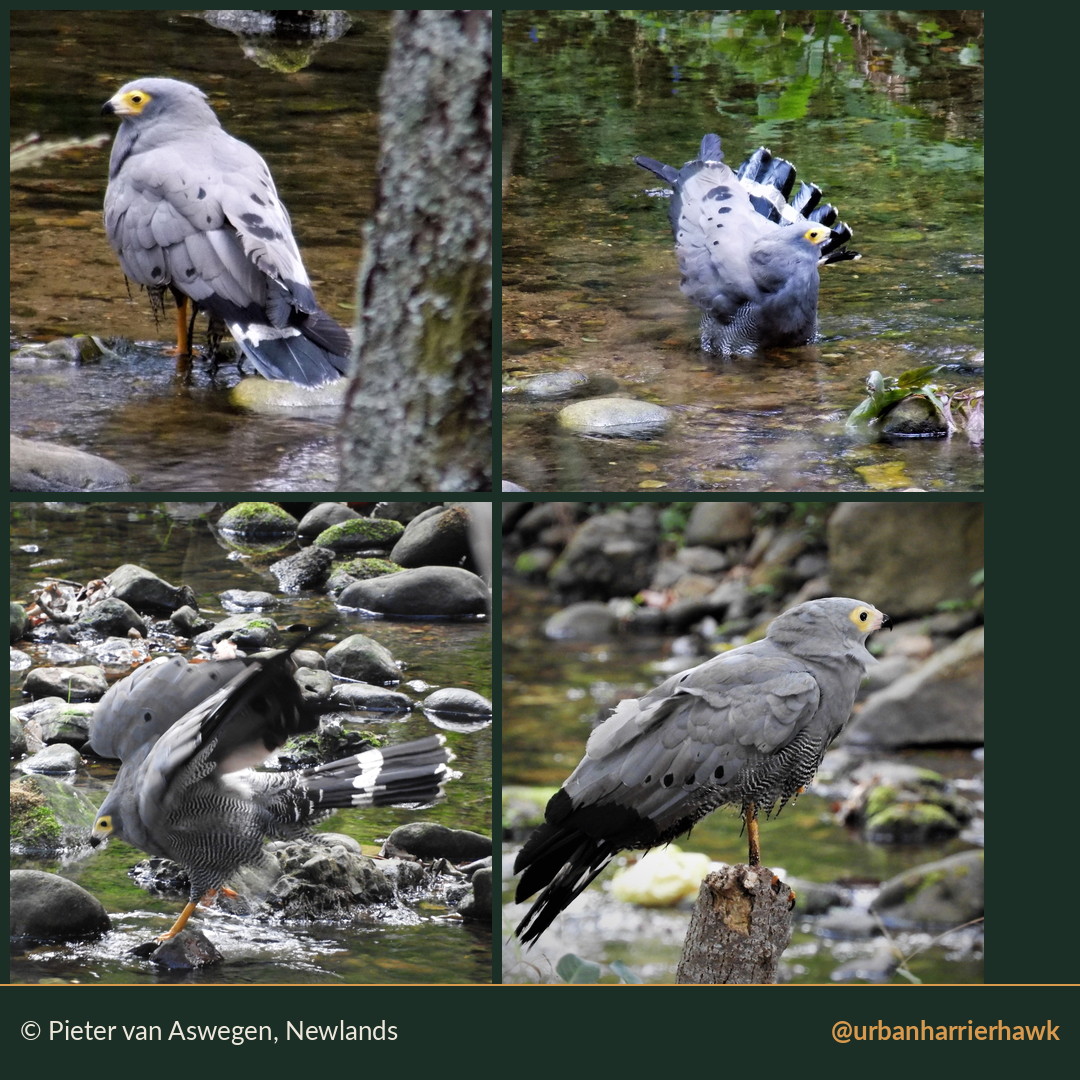
Images sent in by observers and published with their permission.
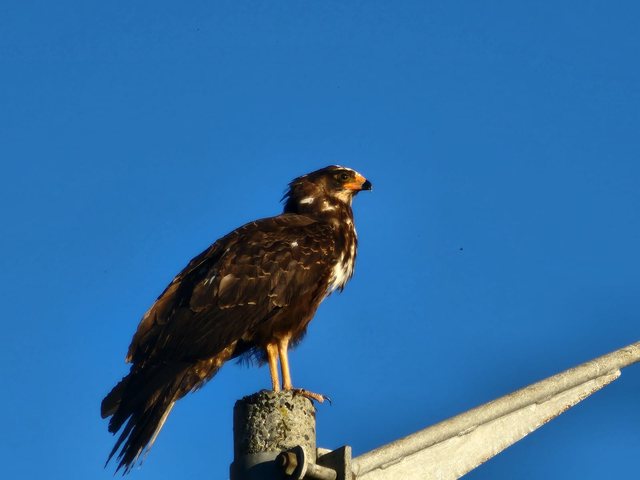
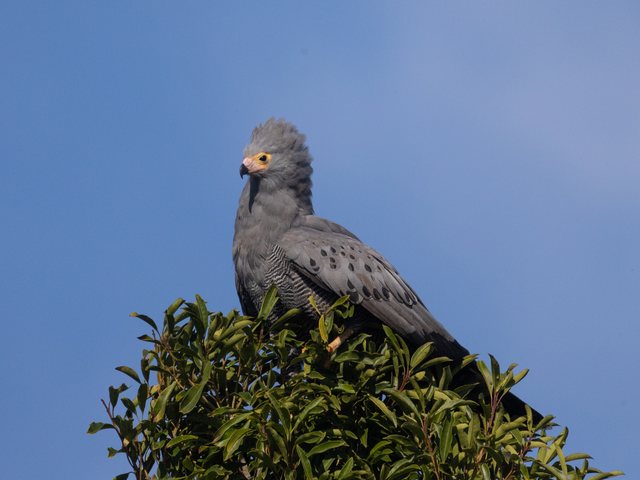
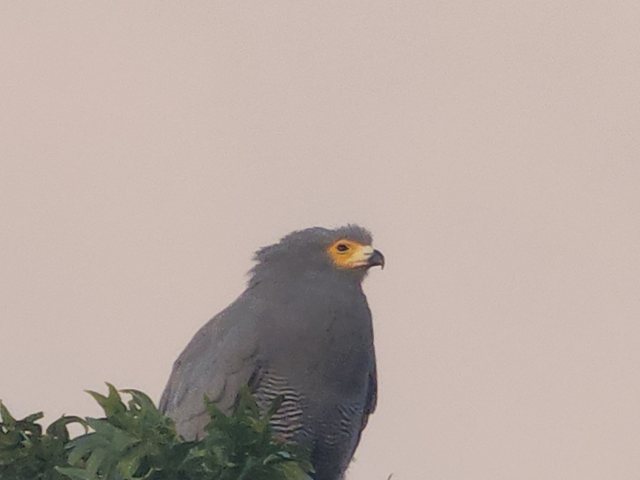
Still sequences
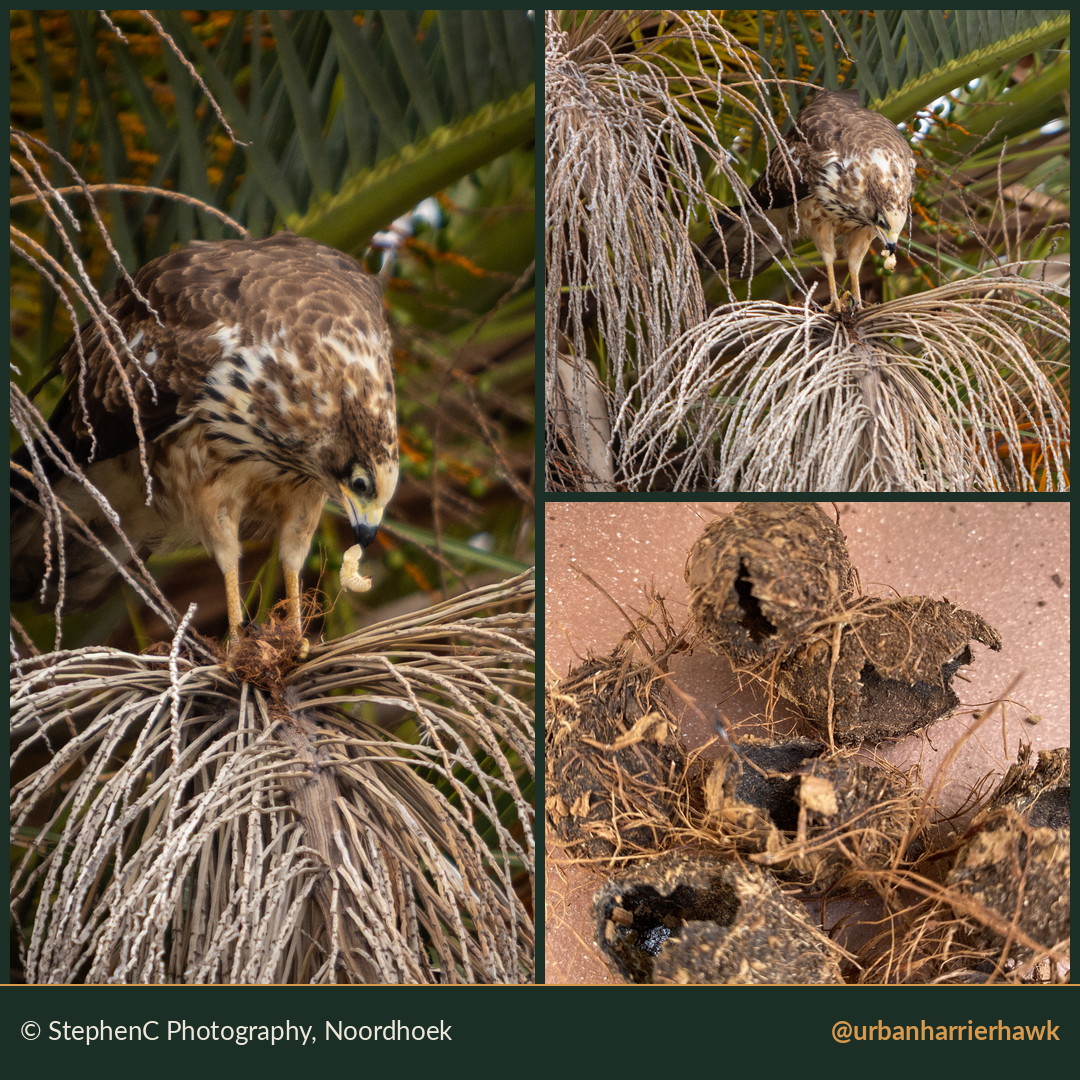
Video
Behaviour footage contributed to the study, published with permission.
© 2025 Virginie Harel. Claremont, April 2025. Used with permission.
© 2026 Heather. Pinelands, 20 August 2026. Used with permission.
© 2026 Anet Nepgen. Constantia. Used with permission.
© 2026 Robyn Beyers. Fish Hoek, July 2026. Used with permission.
First clip © 2026 Thato Sejake. Second clip © 2026 Cheryl Kirsten. Used with permission.
© 2026 Byron Rose. Table View, 29 August 2026. Used with permission.
More footage goes up on the news page as it comes in, alongside what we are learning from it.
See the latest footageSending us photos or video
Everything comes through the main sighting form. It takes photo uploads and a video link, so there is no need to submit twice — and putting a date and a place with the image is what turns a nice photograph into a record we can use.
If a video file is too big to email, put it on YouTube, Google Drive, Dropbox or WeTransfer and paste the link into the form. Just check the sharing setting allows anyone with the link to open it.
Go to the sighting form