
Africa's most familiar stranger
The African Harrier-Hawk, or Gymnogene, is one of the most distinctive raptors in Cape Town, yet very little has been published on how it actually lives.
In Cape Town the bird seems to be doing well. Pairs appear to nest through the southern suburbs, hunt across gardens and greenbelts, and turn up in places as busy as the city centre. That is interesting as most large raptors thin out as cities develop. This project sets out to understand what enables the African Harrier-Hawk to seemingly thrive here.
What we want to find out
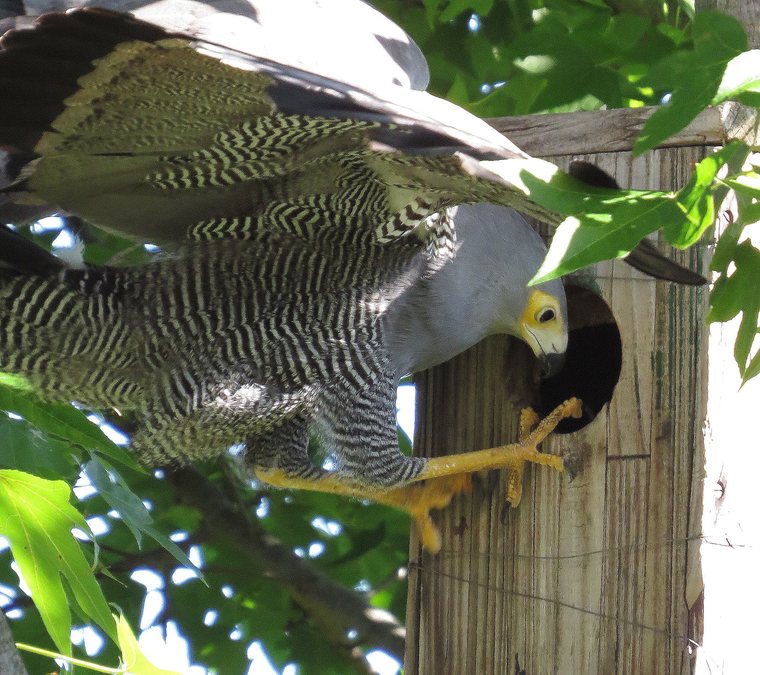
As much as possible! We're particularly interested in its breeding habits, diet and general behaviour (hunting, interaction with other birds). So finding nests is an important starting point. A known nest gives us a fixed point to watch the birds and their behaviour. Getting lots of observation points over Cape Town will help us to figure out where the nests are.
Why your sightings matter
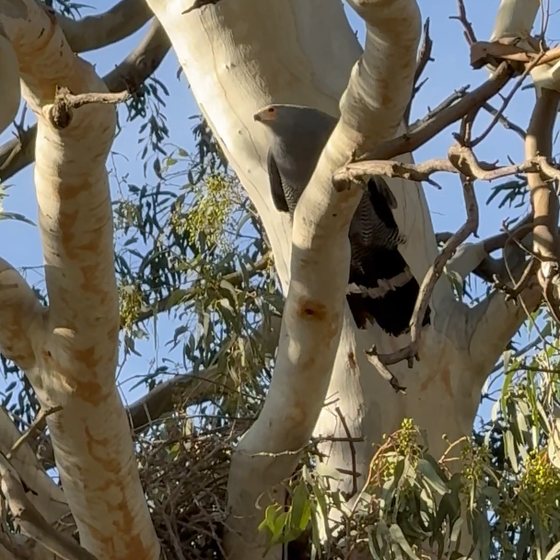
African Harrier-Hawks are surprisingly discreet given how prominent they are. Nests are difficult to find. They are stick platforms about three-quarters of a metre across, built into the main fork of a big tree and usually sitting below the canopy where nothing shows from the road.
Moreover, we cannot cover all areas of the city on foot. So we need your help!
Reports without a nest are still important. Repeat sightings in one area are the clearest sign that a pair is holding territory nearby.
- A bird carrying sticks, or going in and out of the same tree
- Chicks, recently fledged young, or an adult carrying food
- Hunting, especially at a weaver colony or into a hole
- The same bird in the same place over several days
- Anything at all, if you are reasonably sure of what you saw
One thing worth knowing: small birds mob them relentlessly. If a tree suddenly erupts with alarm calls, look up. The hawks seem to use the same racket to find nests worth raiding.
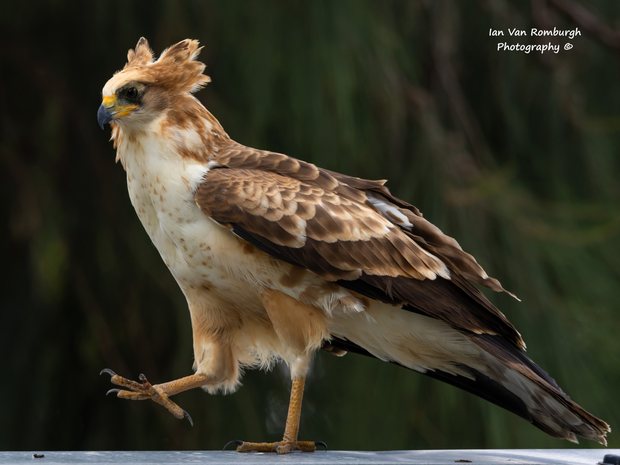
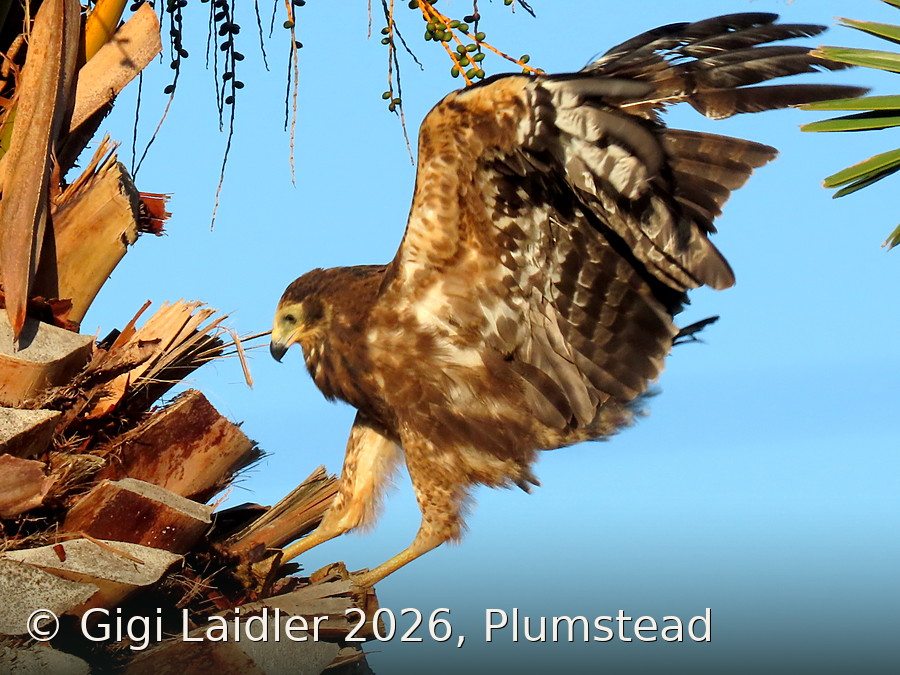
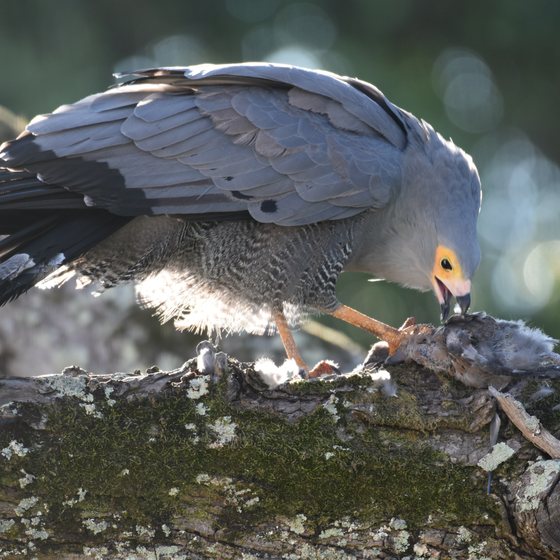
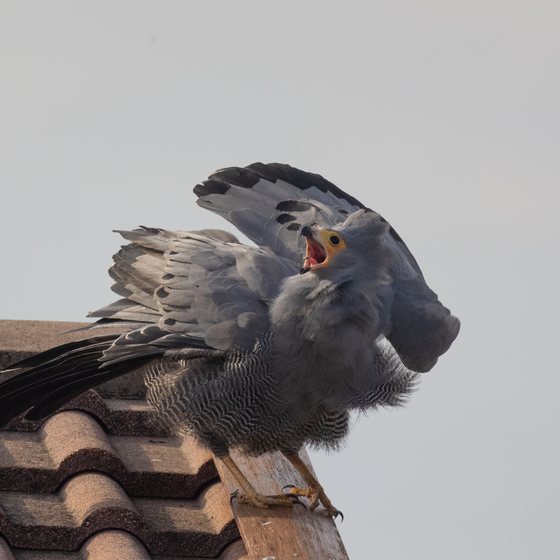
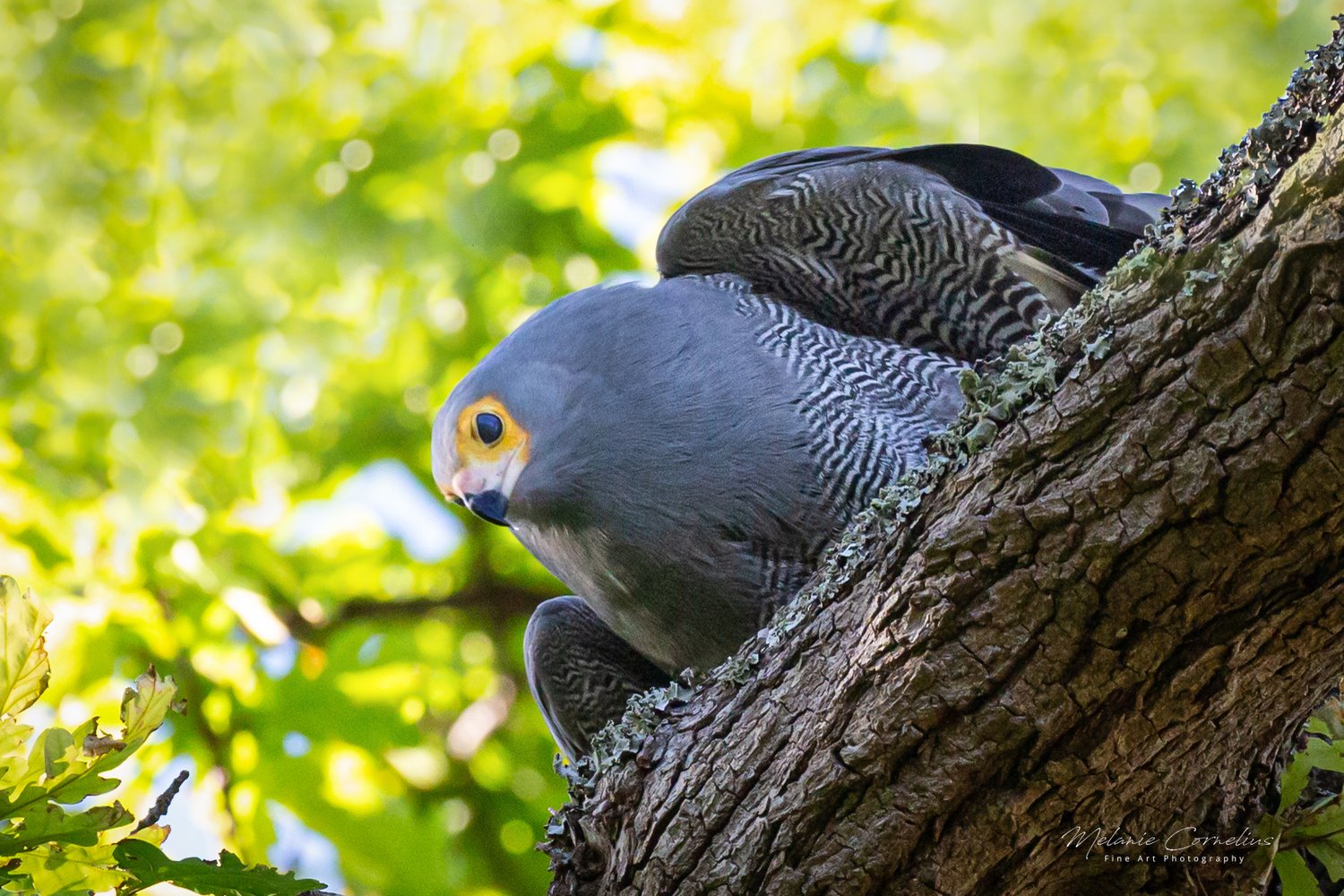
Not certain it was an African Harrier-Hawk? Report it anyway with a photo or video. We would rather sort out a few misidentifications than miss a real record. The species page shows what to look for at each age.
Where we are looking
The study covers the urban areas of Cape Town and surrounds. As far north as Durbanville and down to Simon's Town. Then as far east as Kraaifontein and Eerste River. If you see one just outside this line, report it anyway. The boundary shows where we are concentrating, not where the birds stop.

Nests confirmed so far
11
first target of 10 reached — now working towards 15 active nests
Report a sighting
It takes about two minutes. Date and place matter most. Photos and video are worth a great deal, because it provides us with many clues on the breeding and behaviour of the bird.
Follow the project
We post nest news without locations, behaviour clips, identification tips and photographs sent in by observers. Tag us if you get a good one.